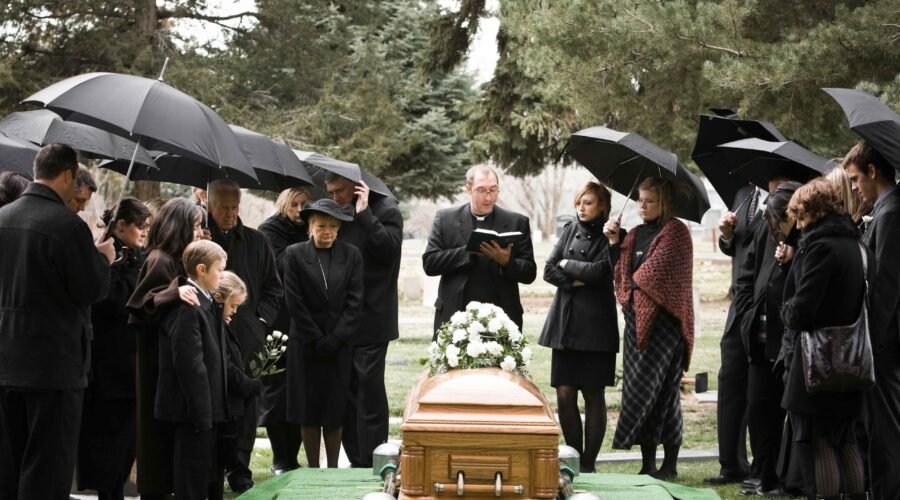
Organizing a funeral in the event of bereavement
There are moments in life when words fall silent. The loss of a loved one places a weight on our shoulders that feels almost impossible to bear. In such times, it is harder than anything to see clearly what we must do, where we can turn for help, and how to move forward through the necessary steps. This guide helps ensure that no one is left alone with the burdens of arrangements amidst the pain of grief.
What to do, when we lose a loved one?
In the first days, time passes differently. Memories flash one after another as we try to comprehend the loss. Organizing the funeral is not only an administrative task, but also an opportunity for a final, dignified farewell. Many feel that „time stands still, nothing moves,” yet some official steps must still be considered so that our loved one can find their final rest.
Official notification of death – first steps
If the death occurs at home, a doctor must be notified first. The doctor performs the necessary examinations and issues the death examination certificate. In the case of death in a hospital, the healthcare institution arranges the official paperwork. These documents are essential for organizing the funeral.
Medical examination and death certificate
After the death examination, the doctor issues the death examination certificate, which must be submitted to the registry office. The death certificate will be the document with which the funeral can be officially arranged. All the paperwork may seem like a burden, but it helps ensure that our loved ones depart in a dignified manner.
The importance of the death certificate
Without the death certificate, the funeral cannot be legally conducted. This document is issued by the competent registry office, which requires the death examination certificate as well as identification documents. This administration may seem burdensome, but it is unavoidable.
The role and options of funeral service providers
The task of funeral service providers is to lend a helping hand. They provide information about the options and guide relatives through the process. They cooperate with local governments and cemeteries, assist in obtaining documents, arrange the wake, and ensure the complete execution of the funeral. They always approach mourners with patience and understanding.
Organizing a funeral in the event of bereavement
Organizing the funeral is a unique task for every family. There is the option of cremation, casket burial, church, or civil ceremonies. The weight of decisions is especially heavy at such times. „Better an honest word today than a hundred empty promises tomorrow,” as the Hungarian saying goes. Therefore, it is worth carefully considering what best suits the values of the deceased and the family.
Urn or casket – The difficulty of the decision
Choosing an urn is often the result of a personal, family decision. Some prefer traditional casket burial, while others lean toward the urn option. Both forms offer the opportunity for a dignified farewell. Funeral service providers help ensure that every detail is clarified and that the family can decide according to the deceased's wishes.
Farewell ceremony: civil and church services
In Hungary, many families still choose a church service. At the same time, more and more people are opting for civil farewell ceremonies, where a eulogy, a beloved melody, or personal stories frame the final goodbye. Both ceremonies offer the opportunity for an intimate, uplifting parting.
Grief processing – help and support
Processing a loss takes time and patience. Many find it helpful to talk with family members, friends, or to turn to a professional. Grief affects everyone differently, but it is never shameful to ask for help. „A good friend is known in times of trouble,” as the Hungarian saying goes.
Choosing a burial plot: traditions and options
Choosing a burial plot is often a generational decision. Many decide on a family vault, while others choose a new plot. Cemeteries also offer the possibility of creating a custom grave site. Providers always help navigate local customs and regulations.
Cremation or burial in the ground?
Both forms honor the memory of the deceased. Cremation is faster and sometimes easier to arrange, while burial in the ground is the traditional, more familiar form. Neither choice is better or worse; both can be dignified.
Funeral costs – what to expect
Funeral costs can vary in every case. It is worth requesting detailed information about these from the funeral service provider. Every family has different financial capacity, but providers help consider the options so that a solution accessible to everyone can be found.
Funeral benefits and assistance
If needed, funeral assistance can also be claimed from the local government. This support covers part of the costs. The documents and conditions required for the application can be found at the local government office.
The role of family and friends in grief
Grief is a shared burden that is easier to bear when we can share it with our loved ones. In many families, relationships are strengthened at such times; friends and relatives help each other through the difficult period.
What should we do about official matters?
With the death certificate in hand, official matters can begin to be settled: bank accounts, insurances, property issues. The family's legal representative can be of great help in this, and the funeral service provider can also offer advice.
Helping children and young people with grief
Children's experience of loss is a particularly sensitive area. It is important to talk to them honestly about death and the importance of farewell in an age-appropriate manner. The example of parents can help in processing.
How can we remember our loved ones in a dignified way?
Nurturing memories is part of grief. A photograph, a shared story, a family tradition all help the loved one live on in everyday life.
The long journey of grief – emotional support
Processing grief can take not just days, but months or even years. Many find comfort in visiting graves, praying, or joining support communities.
Quotes and Hungarian folk wisdom about loss
„Love is immortal, only life is short.” Hungarian folk sayings hold much wisdom that can give strength in difficult times.
Organizing a funeral after a loss – practical advice
It is worth listing the steps of organization so nothing is missed: death examination, registration, discussing the ceremony, choosing a burial site, arranging the farewell service. This process helps every relative feel secure.
Taboos and misconceptions about death
In many families, the topic of death remains taboo, even though processing loss is part of life, even if it is hard to talk about. It is important to discuss these matters openly and honestly.
The role of preserving memories and memorial sites
Caring for graves and maintaining memorial sites is not only a duty but also an important part of remembrance. Such moments allow us to recall shared experiences.
Online grief: digital memorials
More and more people choose to create digital memorial pages for their loved ones, where they can share photos, thoughts, and shared stories.
After the funeral: starting anew in everyday life
Life goes on, even if it is hard to believe. It is important to allow time for grief, but slowly, step by step, we can find our way back to daily routines.
Frequently Asked Questions
What should I do if a sudden death occurs in the family?
First, a doctor must be notified to perform the death examination. Then the official procedures follow.
How soon must the funeral be organized?
In Hungary, the funeral must generally be held within 8 days of the death.
How can I choose a funeral type?
The family, or the deceased's last will, determines whether it will be a coffin burial or a cremation with urn.
Can I receive support for funeral costs?
Yes, a funeral allowance can be claimed from the local municipality, which may cover part of the costs.
How does the funeral service provider help?
The provider guides you through the entire process: informs you, organizes the ceremony, handles the paperwork, and assists with official matters.
What should I do about the emotional burden of grief?
It is important to talk about it with your loved ones and seek help from a professional if needed.